
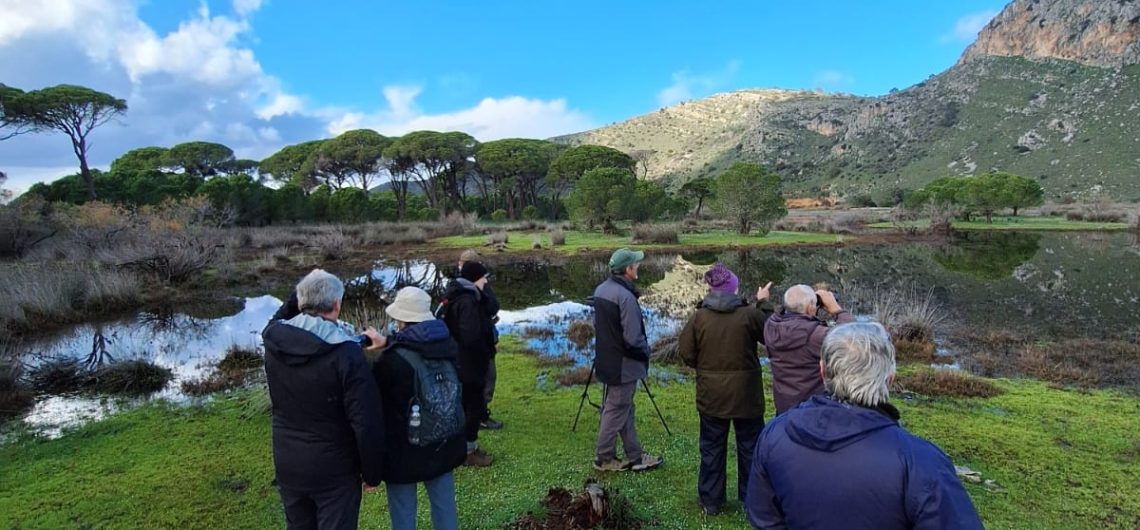
Birdwatching has quietly become cool again. Maybe it is the need to slow down, or the joy of noticing small things. After years of fast scrolling and busy schedules, perhaps people simply want to reconnect with the natural world in a more meaningful way. Whatever the reason, birdwatching is having a moment again.
Across social media, more and more young people are picking up binoculars, downloading bird identification apps, and heading outdoors in search of something quieter, slower and more real. And honestly? With so many diverse habitats, that’s why birdwatching in Greece is coming alive.
Global Big Day this past weekend brought together millions of birdwatchers worldwide, in an annual worldwide celebration of birdwatching where people head outside to record as many bird species as possible in a single day – something like Pokémon hunting. But the truth is, you do not need a special occasion to experience the magic of a day spent birdwatching. Birdwatching is no longer seen as a niche activity reserved for experts.
It usually starts early. Before sunrise early.
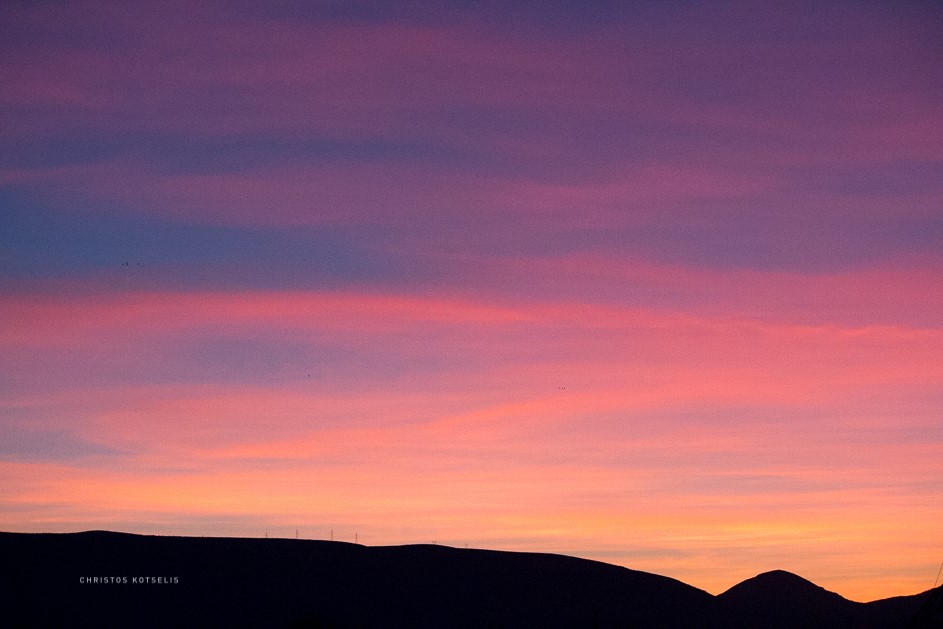
The roads are quiet, the air still cool, and the first coffee stop feels almost ceremonial. Binoculars are checked. Camera lenses cleaned. Someone is already scanning the sky while holding a paper cup of coffee in the other hand. Or ideally their own personal thermos – as we would like to reduce waste. Sustainability is part of the experience. There is always excitement in the air, even among experienced birders. You never really know what the day will bring. Wildlife can always surprise you.
As the light slowly changes from blue to gold, the first birds begin to appear.
A Eurasian Hoopoe lands briefly on a fence post, its orange crest glowing in the morning light before disappearing into the grass. Barn Swallows skim low over fields. Catching insects or collecting mud from watery holes. Somewhere nearby, a Cetti’s warbler is still singing from dense vegetation, invisible but unmistakable.
The first stop is probably a wetland, where the landscape feels alive in every direction. That’s where you start, and you know you will find something for sure. Grey herons stand in shallow water statue-like, while Little Egrets move delicately through the reeds. Marsh Harriers glide low above the marshes, and Squacco Herons may suddenly appear from nowhere if you’re lucky, perfectly camouflaged against the golden vegetation.
But “birdwatching” days are never only about birds.
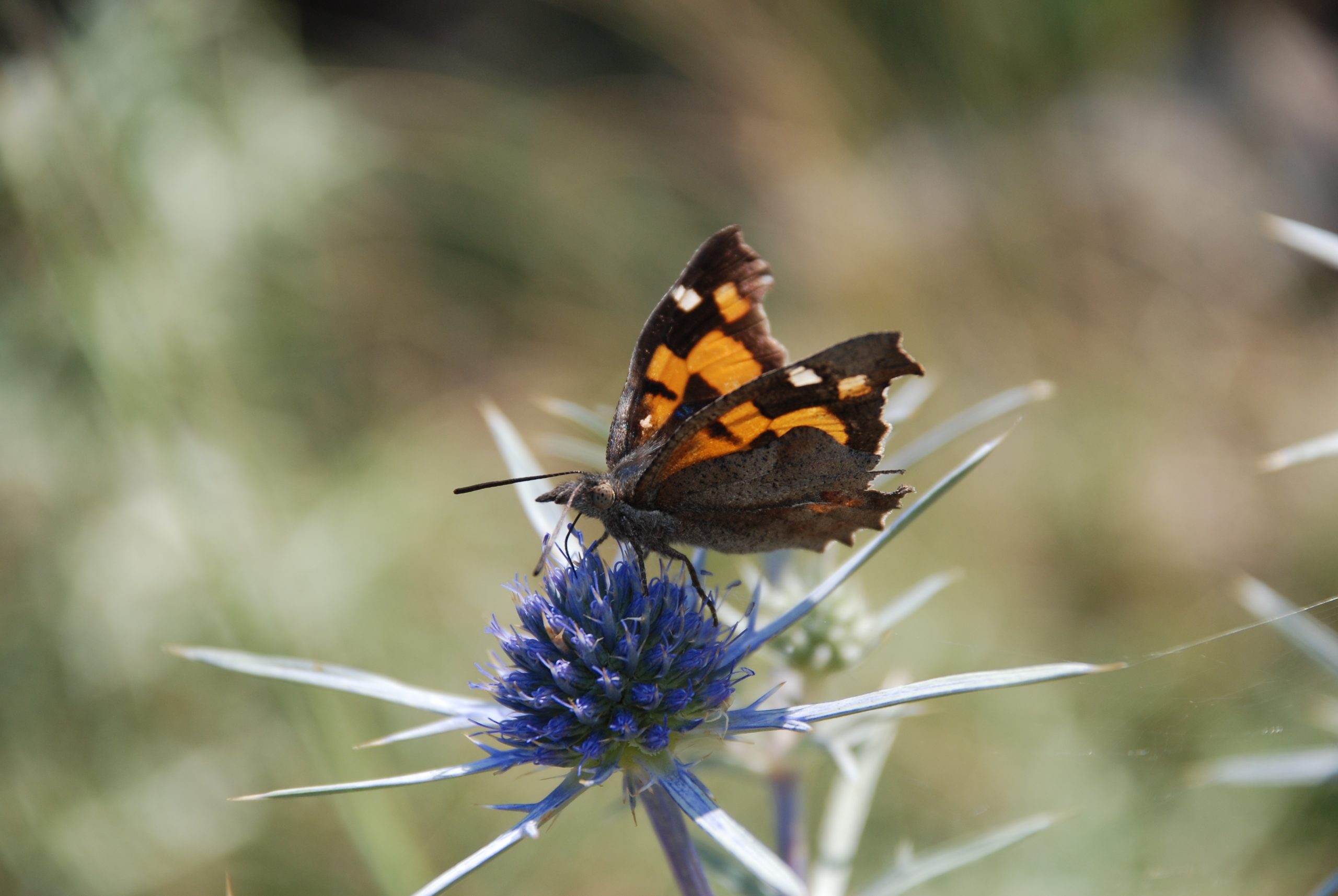
Along the path, wild orchids bloom among the grasses. Red poppies move in the wind. A tortoise slowly crosses the trail, completely unbothered by our presence – aiming at a glowing green patch of fresh grass, on a mission. Someone spots movement and suddenly everyone gathers quietly to admire a Grass Snake swimming its way effortlessly into the shrubs.
There is something grounding about these moments. Birdwatching teaches patience, but it also teaches attention. The more slowly you move, the more life reveals itself around you. It’s almost meditative.
As the day continues, the habitats change.
Maybe from wetlands to open countryside, or from coastal scrub to forest edges. The soundscape changes too. Bee-eaters call overhead with their soft rolling notes. Crested Larks run along dusty tracks. Hooded crows announce their presence and harass a Buzzard perched on a pillar.
And then there are the moments nobody forgets.
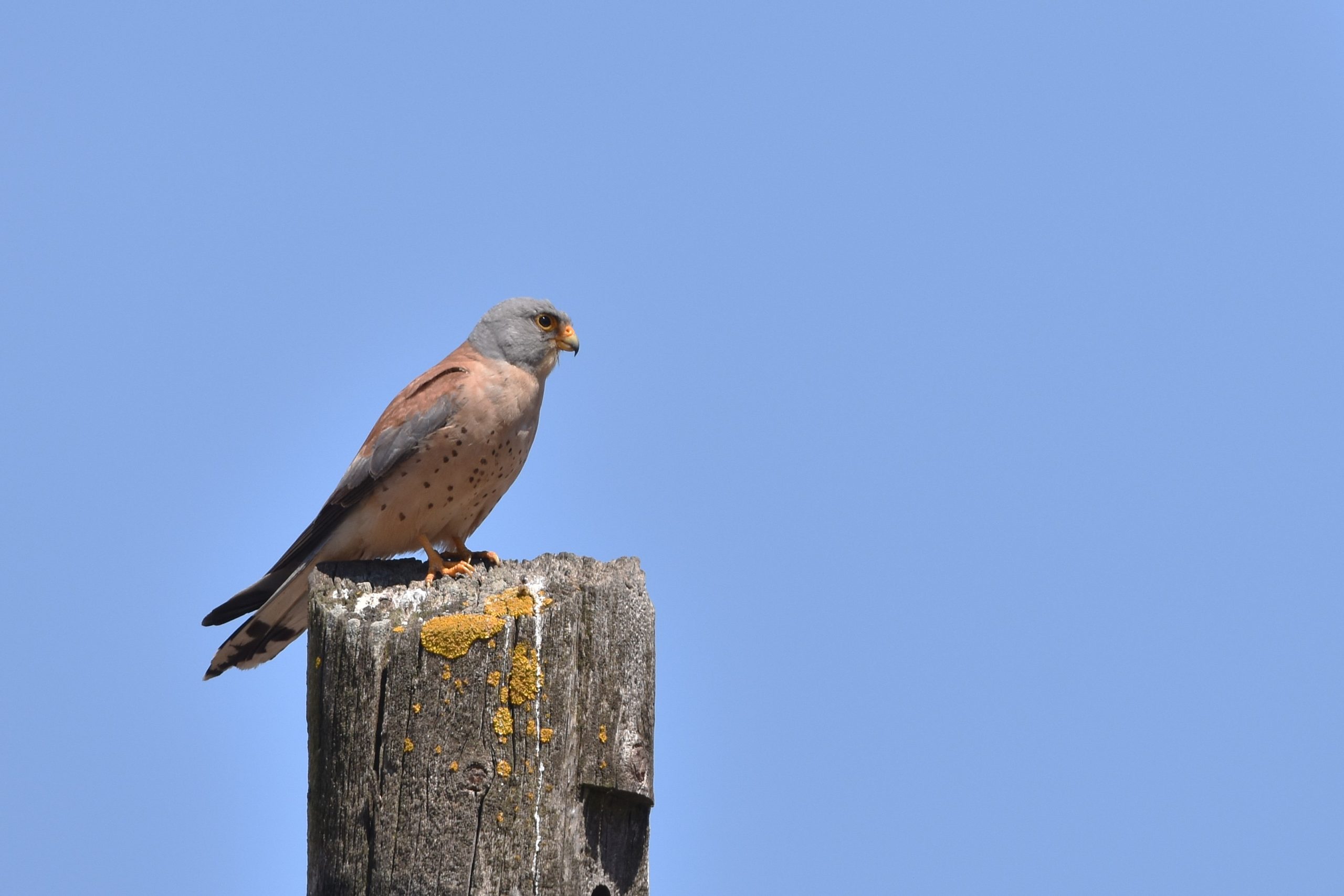
Birdwatching is not only about making lists or identifying species. It is about being present in the moment. About noticing movement, sounds, colours, weather, and detail in a way we rarely allow ourselves to, anymore.
Around midday, hunger eventually wins.
One of the best parts about birdwatching in Greece is the food. Lunch often happens in a small village taverna shaded by plane trees or with a homemade picnic basket under the pines. Conversations move naturally between birds, travel stories, local conservation, photography, and food. Even during lunch, though, nobody completely stops birding. Something moves, and the binoculars move with it.
The afternoon light softens as the day begins to slow down again. Golden hour arrives quietly, turning landscapes warm and almost dreamlike. Raptors become active once more. A Short-toed Snake Eagle circles overhead. Ravens call across the valley in alarm of its presence.
And then suddenly, without anyone really noticing when it happened, the entire day is nearly gone.
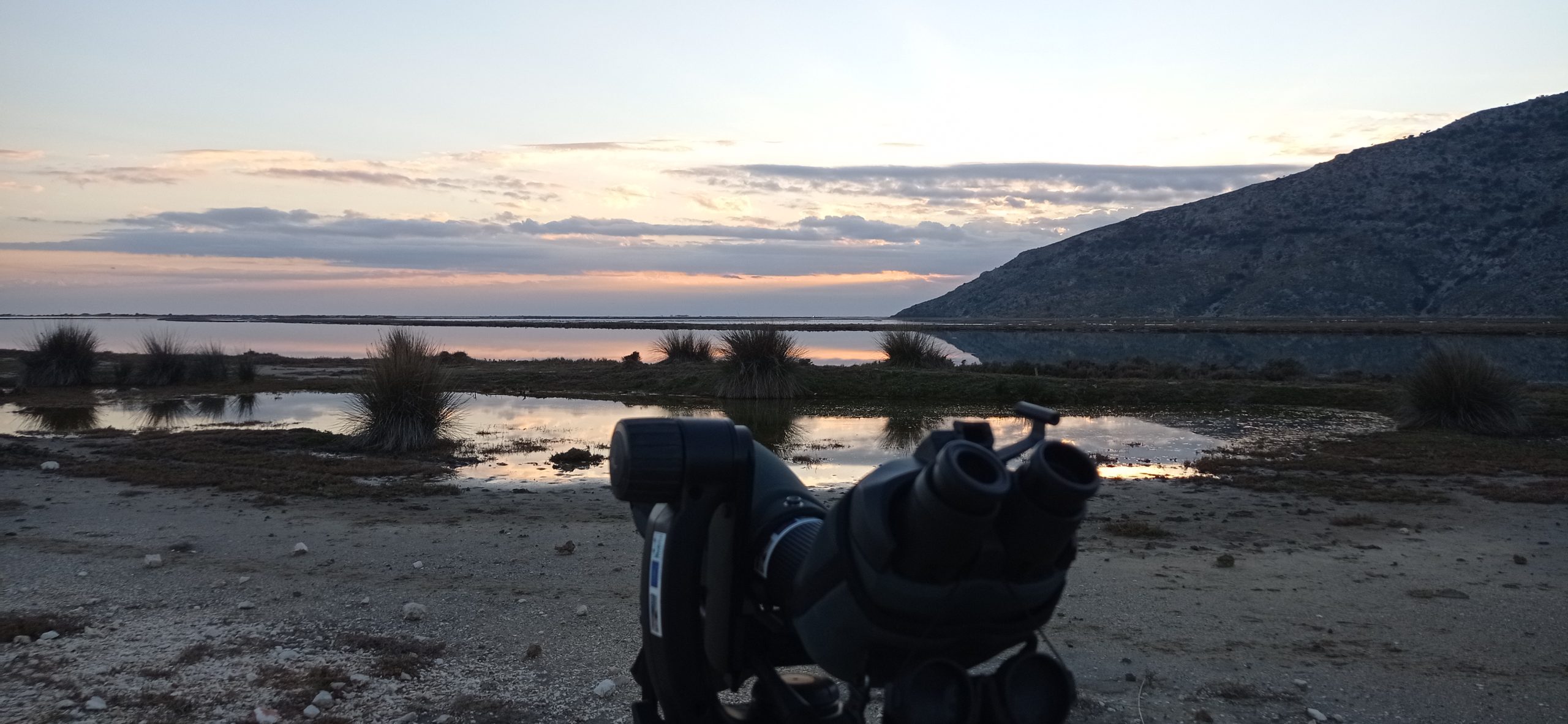
Boots are dusty. Memory cards are full. The species list may be long or surprisingly short depending on luck, weather, and season. But somehow that rarely feels like the important part.
Because the real beauty of birdwatching in Greece is not only the birds themselves. It is the experience of spending a full day outdoors, moving through landscapes slowly enough to truly see them. And perhaps that is why so many people are rediscovering it now.
Not as experts. Not as scientists. Just as people looking up and away. Away and everywhere all at once.
And the Scops owls start the dark choir of the night, dropping the curtain.
Comments